DT Swiss 350 vs 240: choosing hubs for a custom wheelset
Compare DT Swiss 350 and 240 by exact hub variant, ratchet system, service needs and quoted build weight before choosing a custom carbon wheelset.
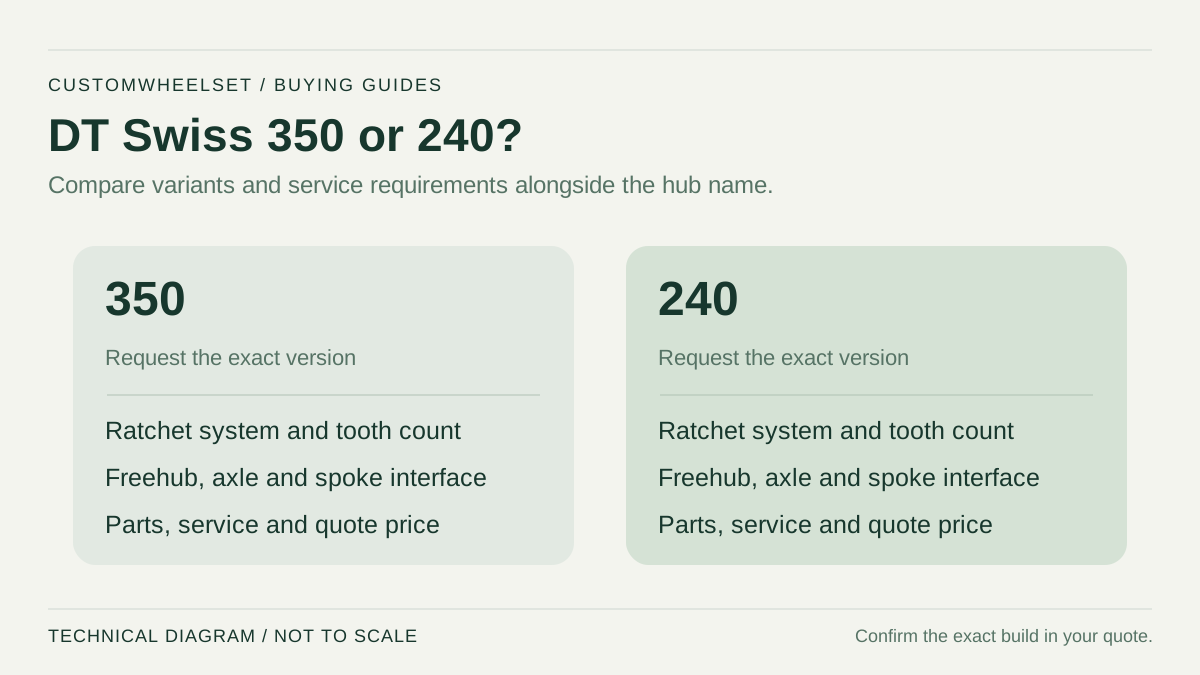
Start a DT Swiss 350 vs 240 comparison with two complete build quotes. Ask for the hub part numbers, freehub system, cassette interface, and estimated wheelset weight in each. The family name alone cannot tell you the exact engagement system or the difference between the finished wheels.
Our buying recommendation is to consider the 350 first when keeping the build within budget matters most. Consider the 240 when the confirmed configuration gives you a weight or system choice you value enough to pay for. That judgment needs an actual quote, rather than a fixed upgrade price.
The accompanying schematic diagram shows the questions behind the choice. It is a decision aid, not a component specification.
Compare the right generations and systems
For the road range reviewed here, DT Swiss lists the 350 with Ratchet System 36 SL and the 240 with Ratchet EXP 36. Both descriptions include freehub maintenance without special tools, but the internal systems differ. DT Swiss 350 road, DT Swiss 240 road
The mountain bike ranges broaden the comparison:
| Family and application | Systems listed by DT Swiss |
|---|---|
| 350 road | Ratchet System 36 SL. 350 road |
| 240 road | Ratchet EXP 36. 240 road |
| 350 MTB | Ratchet System 36 SL or Ratchet DEG 72. 350 MTB |
| 240 MTB | EXP, DEG, and DEG DF variants; the family also includes Ratchet System for single-speed applications. 240 MTB |
Treat these as manufacturer family descriptions, not a promise that every variant is available for a CustomWheelset build. A road 240 EXP and an MTB 240 DEG answer different requirements. Ask which one the quote includes, especially if a seller's description stops at "240 hubs."
What are you buying with a 240 upgrade?
DT Swiss describes Ratchet EXP as its lightest freehub system and explains that it combines one ratchet with the threaded ring. That is a system-level design claim. It does not establish a fixed weight saving for every wheelset using a 240 hub. DT Swiss Ratchet EXP technology
Compare like with like: the same rim, spokes, hole count, axle dimensions, rotor interface, and cassette body. Request front and rear hub weights for the exact part numbers. Ask whether the complete wheelset estimate includes tape and valves. Mixing a bare hub weight with a ready-to-ride wheelset estimate makes the upgrade difficult to assess.
If the 240 quote changes several components, ask for a second comparison with only the hubs changed. You can then decide whether that specific difference matters for your riding and budget. This guide does not claim a measured speed gain, lower drag, or longer service life for a CustomWheelset build.
Engagement is a separate question
An engagement upgrade should identify the installed system and tooth count. The road models above both list 36 teeth despite their different internal construction. MTB DEG examples include 72 teeth in the 350 range and 90 teeth in the 240 range. Those numbers belong to the cited variants, rather than every hub carrying the same family label. DT Swiss 350 MTB, DT Swiss 240 MTB
For a rider comparing trail builds, ask which engagement options fit the exact hub. For a road build, avoid paying for an assumed engagement difference based only on "350" versus "240."
Check service parts and future changes
DT Swiss publishes different service kits and tools for Ratchet System, EXP, and DEG. Its conversion table separates these systems, and its product support search identifies parts for a specific hub. Tool-free access for routine freehub maintenance does not mean every bearing or internal repair uses the same tools. DT Swiss hub parts and tools
Before choosing, ask your usual mechanic which system they service and which spares they can obtain. If you expect to change drivetrains, request confirmation of the replacement freehub and end cap for that particular hub. Use the freehub compatibility guide to identify the cassette interface first.
Put the hub choice into a complete build
Shortlist models with the wheelset finder and compare them using the wheelset comparison. The R50 Aero and G40 All-Road list both DT Swiss 350 and 240 among their planning choices. Their listings are starting points for a quote; they do not confirm a particular manufacturer part number or system.
The carbon-spoke range currently lists its dedicated carbon-spoke system hub. This 350/240 comparison does not establish that either hub can replace it.
In your written quote request, include the bike and cassette models and ask for two otherwise matching configurations. Confirm each hub's exact variant, availability, complete build estimate, and final price before making the choice.
Related posts
Choose rim depth, tire fit, freehub, hubs and spokes with source-backed buying guides. Compare catalog builds before requesting a written quote.